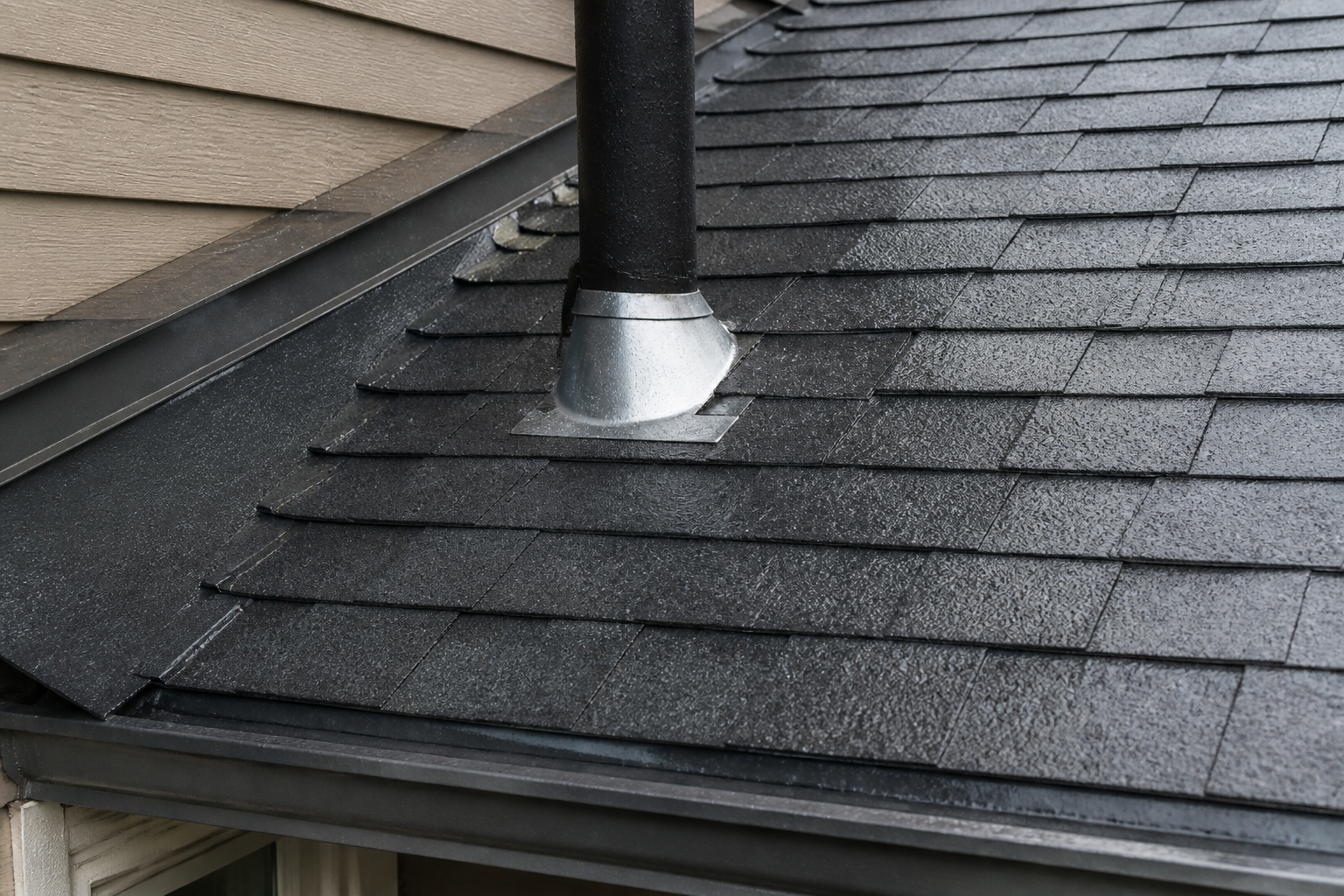
Penetration boot replacement
Replace aged pipe and vent boots before they crack and admit water around plumbing or mechanical openings.
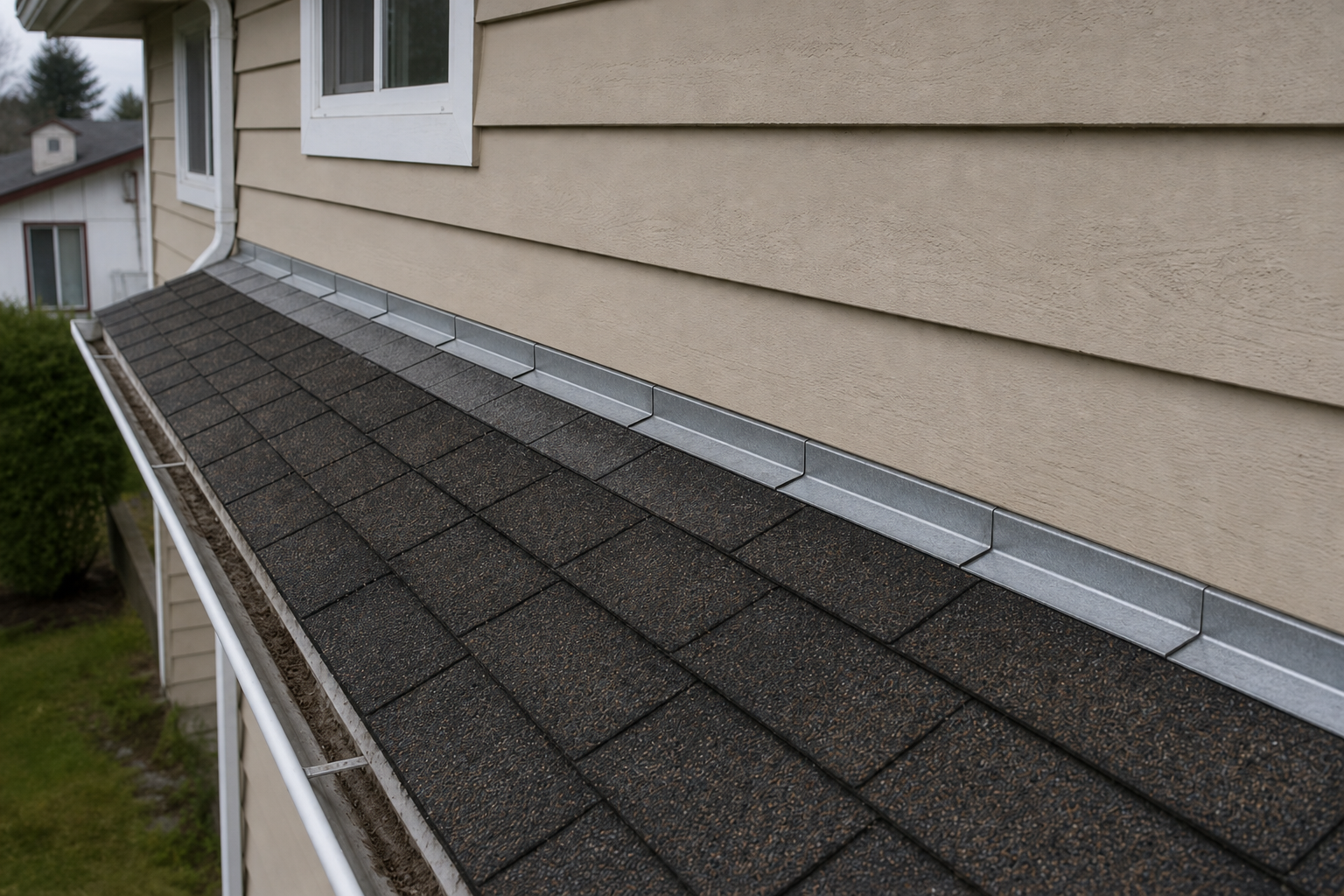
Transitions and interfaces
Repair of chimney, wall, vent, pipe boot and other roof penetration flashings where water commonly enters Metro Vancouver roofs.
What is flashing & penetrations?
Flashing and roof penetration repair corrects water-shedding interfaces where the roof covering meets walls, chimneys, vents, pipes and other penetrations. These details are frequent leak sources when metalwork, boots or sealant joints fail.
Who this is for
Owners seeing leaks near chimneys, sidewalls, plumbing stacks, mechanical vents or other roof openings, or who have aging flashings that no longer shed water correctly.
Flashing and roof penetration repair corrects water-shedding interfaces where the roof covering meets walls, chimneys, vents, pipes and other penetrations. These details are frequent leak sources when metalwork, boots or sealant joints fail.
Assessment discipline
Flashing geometry and material condition
Compatibility with the surrounding roof covering
Counter-flashing and wall interface integrity
Penetration boot and collar condition
Whether sealant is masking a failed metal detail
Typical causes
Methodology
Process
Describe the leak location and any visible details around it
Roof-level inspection of flashings and penetrations in the failure zone
Written repair scope identifying each detail to be corrected
Re-detailing with compatible metals, boots and membranes
Final review of the corrected interfaces and surrounding covering
Materials & systems
Replace aged pipe and vent boots before they crack and admit water around plumbing or mechanical openings.
Restore wall-to-roof interfaces where step and counter-flashing no longer shed water.
Address multi-plane flashing assemblies that require careful sequencing with the roof covering.
Metro Vancouver climate
Wind-driven rain and long wet seasons stress flashings and elastomer boots. Details that work in drier climates often fail earlier in coastal BC without correct metal integration.
When this service is appropriate
When the field roof covering is still serviceable and the leak is driven by a discrete flashing or penetration failure.
When another service may fit better
If the surrounding covering is broadly worn, or a chimney, skylight or low-slope assembly needs a different scope, those specialized services may be more appropriate.
When repair may make sense
Flashing repair is appropriate when the roof field is sound and the failure is concentrated at an interface.
When replacement may make sense
Field replacement may be needed if flashings must be fully re-integrated into a covering that is already at end of life.
Scope
The actual scope is established after assessment. Revolin Roofing does not publish a one-size-fits-all price, lifespan or assembly because those depend on the building and selected system.
Related services
Active water entry
Priority leak diagnosis - same-day when scheduling allows - with temporary or permanent localized repair when water is entering a Metro Vancouver home through the roof assembly.
Chimney interfaces
Step flashing, counter-flashing and chimney-related leak correction on Metro Vancouver roofs.
Skylight interfaces
Repair or reflash leaking skylights and the roofing that surrounds them.
Localized covering repair
Missing, wind-damaged, cracked or otherwise damaged asphalt shingles repaired in contained areas when the surrounding field remains serviceable.
Condition first
Inspection, photographs, minor sealant or maintenance work and a roof condition report for informed planning.
Also useful
Questions
Flashing and roof penetration repair corrects water-shedding interfaces where the roof covering meets walls, chimneys, vents, pipes and other penetrations. These details are frequent leak sources when metalwork, boots or sealant joints fail.
Leaks that appear near chimneys, sidewalls, skylights, plumbing stacks or vents - especially during wind-driven rain - are commonly flashing-related. Interior stains that line up with a roof penetration above are a strong indicator, but confirmation requires roof-level inspection.
Usually yes, when the surrounding covering is still serviceable. Individual flashings, boots and collars can be replaced and re-woven into the existing roof. If the field is at end of life, re-detailing is better combined with replacement planning.
Sealant ages much faster than metal and cannot compensate for incorrect flashing geometry. Surface caulk often hides the failure while water keeps entering. A durable repair re-establishes the metal detail; sealant plays only a secondary role.
Service life varies with material, exposure and installation quality, so no single number is honest. Rubber pipe boots typically age faster than metal flashings because UV and temperature cycling harden the elastomer, and coastal wind-driven rain tends to expose weak details earlier than drier climates do.
Related project evidence
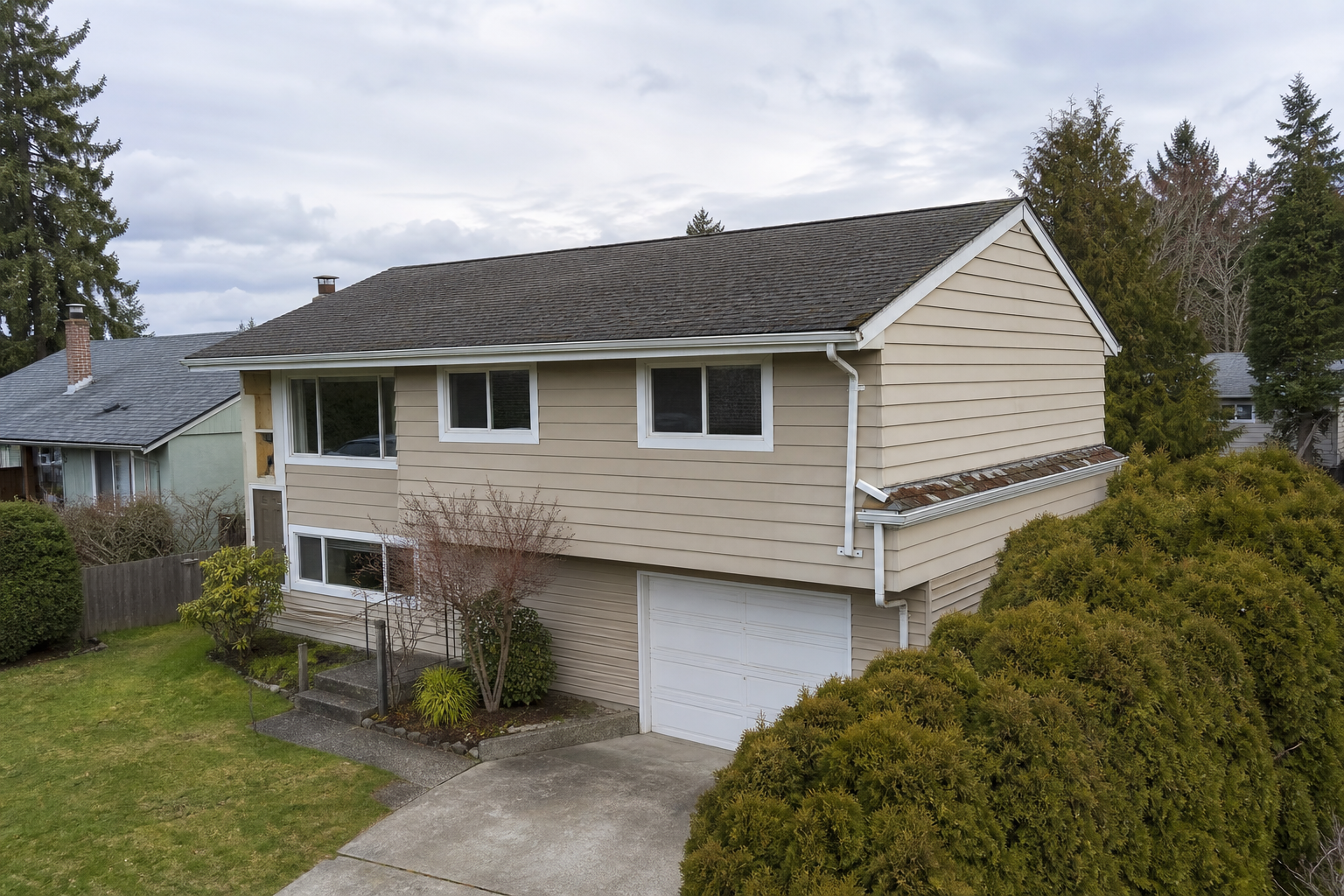
burnaby · Architectural asphalt
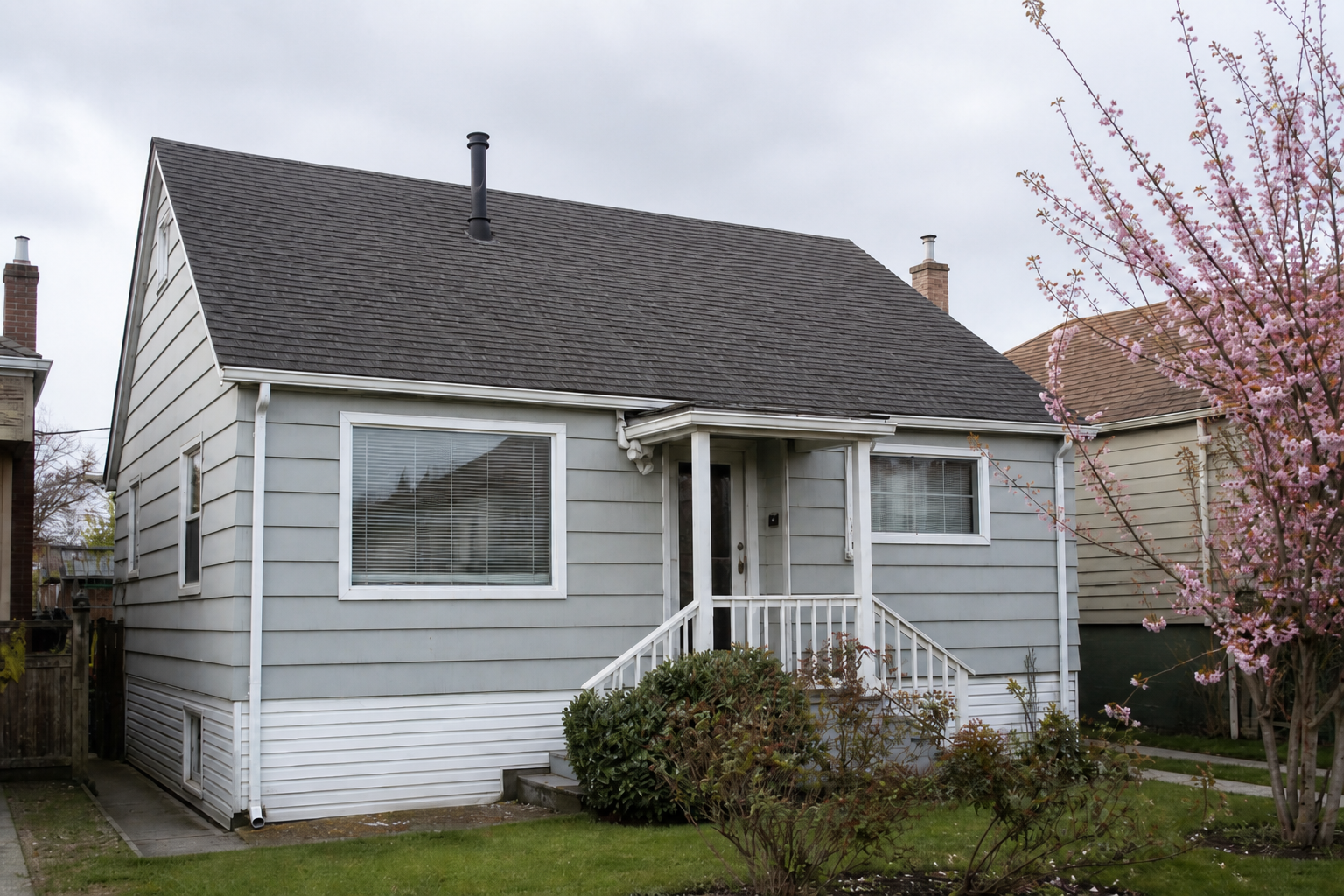
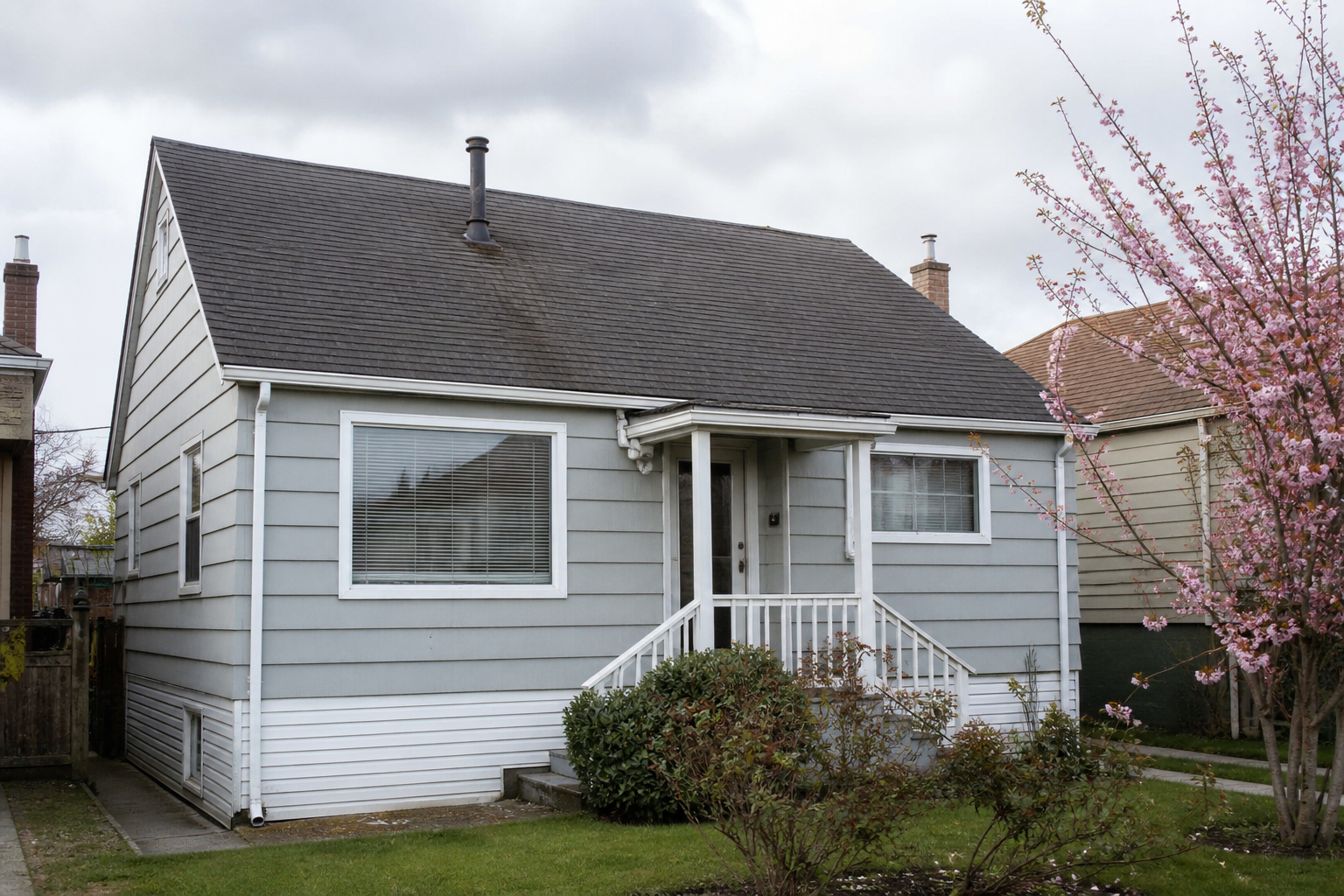
vancouver · Architectural asphalt
Next step
Tell us what you are seeing and where the property is. We will use that context to plan the right next conversation.
Call +1 (778) 851-0830